Fuerteventura Boat Trips
Honest Travel Guide

Is Fuerteventura Worth Visiting

Fuerteventura divides travelers more sharply than any other Canary Island. Some find its endless dunes and empty beaches a revelation. Others expect Tenerife and leave disappointed by the sparse vegetation and relentless wind.

8 min read Updated 2026-09-30 Fact-checked
Is Fuerteventura Worth Visiting

Quick answer

Fuerteventura is worth visiting if you prioritize beaches, watersports, and natural landscapes over cultural attractions or nightlife. The island holds 150 kilometers of coastline, year-round warm weather, and Europe's best conditions for windsurfing and kitesurfing. It suits beach-focused travelers, active sports enthusiasts, and those seeking quiet over stimulation. Skip it if you want lush scenery, historic cities, or varied evening entertainment.

Fuerteventura receives roughly one-third the annual visitors of Tenerife despite holding more beach area than all other Canary Islands combined. The disparity reflects what the island offers and withholds in equal measure. The terrain is stark. Volcanic plains stretch for kilometers with minimal vegetation, interrupted by white-sand dunes that rise unexpectedly near Corralejo and the Jandía peninsula. Rain falls fewer than 20 days per year, leaving the interior brown and windswept. The trade winds blow almost daily, keeping summer temperatures moderate but making beach umbrellas impractical. This same wind creates world-class conditions for board sports, drawing European windsurfing champions to spots like Sotavento and Flag Beach. The northern and eastern coasts hold the most accessible beaches, while the west remains rugged and largely undeveloped. Deciding whether Fuerteventura merits your trip depends on what you eliminate from the itinerary. The island has no major museums, no medieval quarters, and limited fine dining compared to Gran Canaria or Tenerife. Evening options concentrate in Corralejo and Morro Jable; elsewhere, towns quiet after sunset. Public transport exists but remains infrequent outside main routes, making a rental car near-essential for exploring beyond resort zones. The UNESCO-protected Biosphere Reserve status protects the volcanic interior and coastal dunes, which means development remains low-density and nature accessible. The practical case for visiting Fuerteventura centers on three factors: beach quantity, water clarity, and consistent weather. Winter water temperatures hover around 19°C, warmest in the Canaries. Summer rarely exceeds 24°C in the ocean but stays calm enough for swimming on sheltered eastern shores. The northern beaches near El Cotillo offer turquoise lagoons suitable for families, while southern Cofete remains one of Europe's most isolated stretches of sand, reachable only by unpaved track. The island rewards visitors who seek space over scenery density, and silence over stimulation.

“Fuerteventura holds more beach area than all other Canary Islands combined, yet receives a fraction of Tenerife's crowds.”
Timing

When Is Fuerteventura Worth Visiting for Best Conditions?

Fuerteventura is best visited between April and June or September and November to enjoy mild temperatures and lower crowd density. For daily visits, arrive between 09:00–11:00 to experience calmer waters and more space on the beaches before afternoon winds intensify.

April to June

Moderate

Mild, 20°C to 25°C

Spring offers stable weather and fewer tourists than the peak summer months.

September to November

Moderate

Warm, 22°C to 27°C

Sea temperatures remain high, making this period ideal for swimming and water-based activities.

Weekday mornings

Low

—

Arriving between 09:00–11:00 allows you to enjoy quieter beaches and avoid peak midday sun before the afternoon wind picks up.

Verdict: For the best experience, plan your visit during the shoulder seasons of April or October and arrive at your destination between 09:00–11:00 on weekdays.

What to see

Highlights That Make Fuerteventura Worth Visiting

Fuerteventura offers distinct natural landscapes defined by its volcanic history and expansive coastlines. These locations provide a clear perspective on the island's geological character.

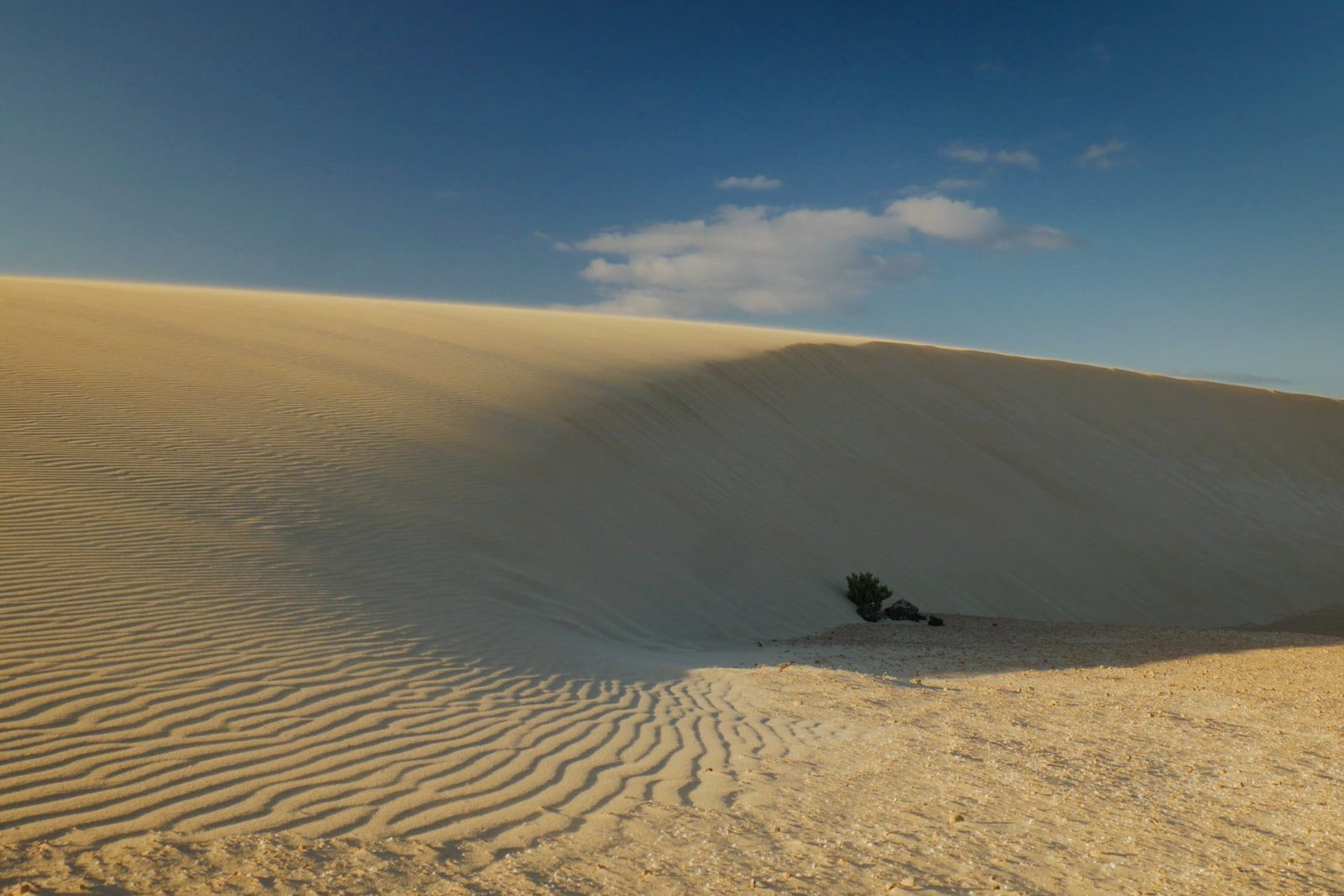
Dunes of Corralejo

Dunes of Corralejo

These vast sand dunes stretch along the coast and are protected within a designated natural park. The fine, wind-blown sand transitions directly into the turquoise waters of the Atlantic Ocean.

Walk toward the northern dunes for clear views of Lobos Island.
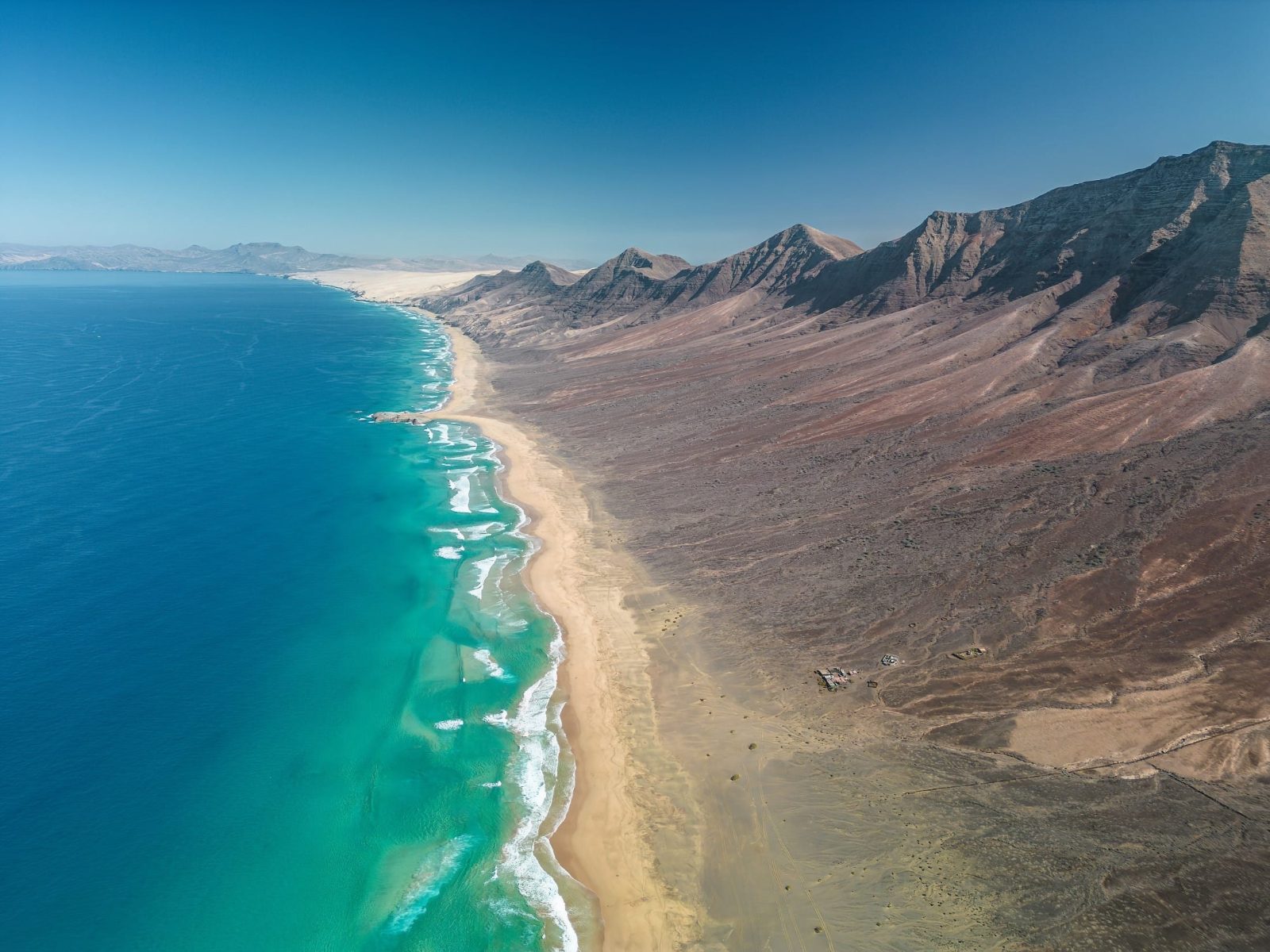
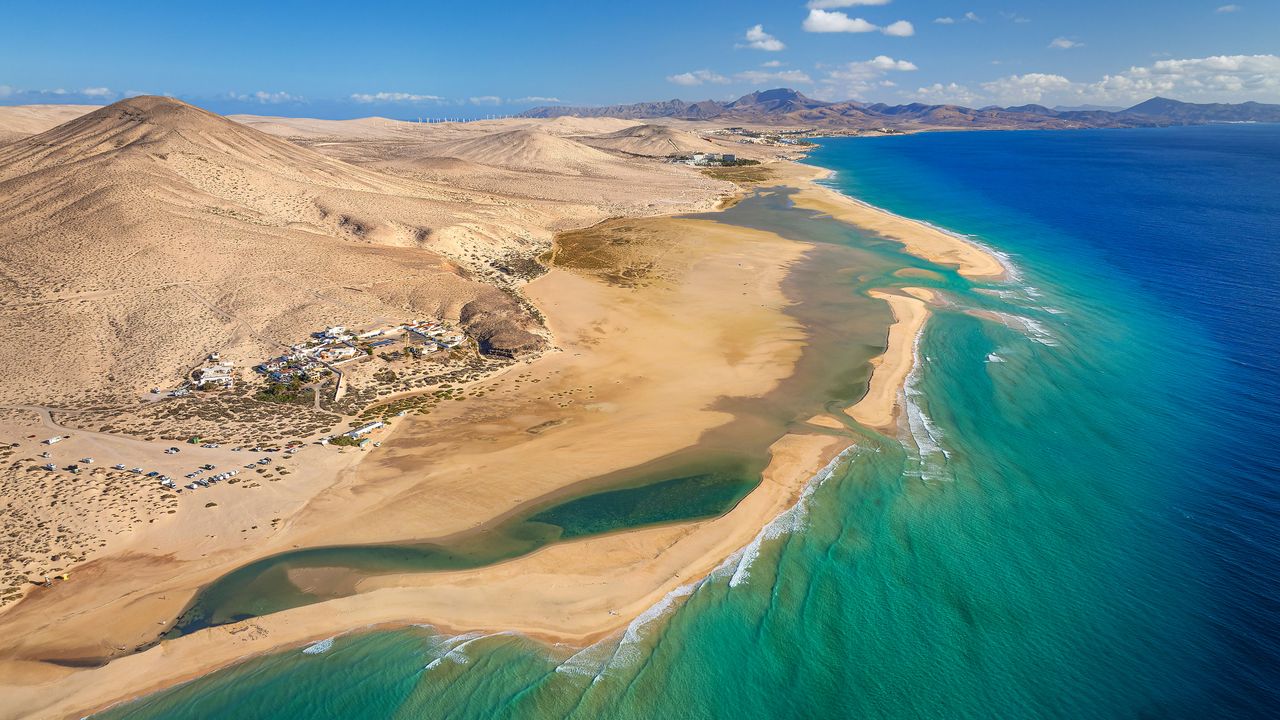
Cofete Beach

Cofete Beach

Located on the remote Jandía Peninsula, this beach spans kilometers of untouched coastline backed by rugged mountains. Access requires navigating a long, unpaved road that limits visitor density.

Visit the viewpoint at Degollada Agua Oveja for a panorama.

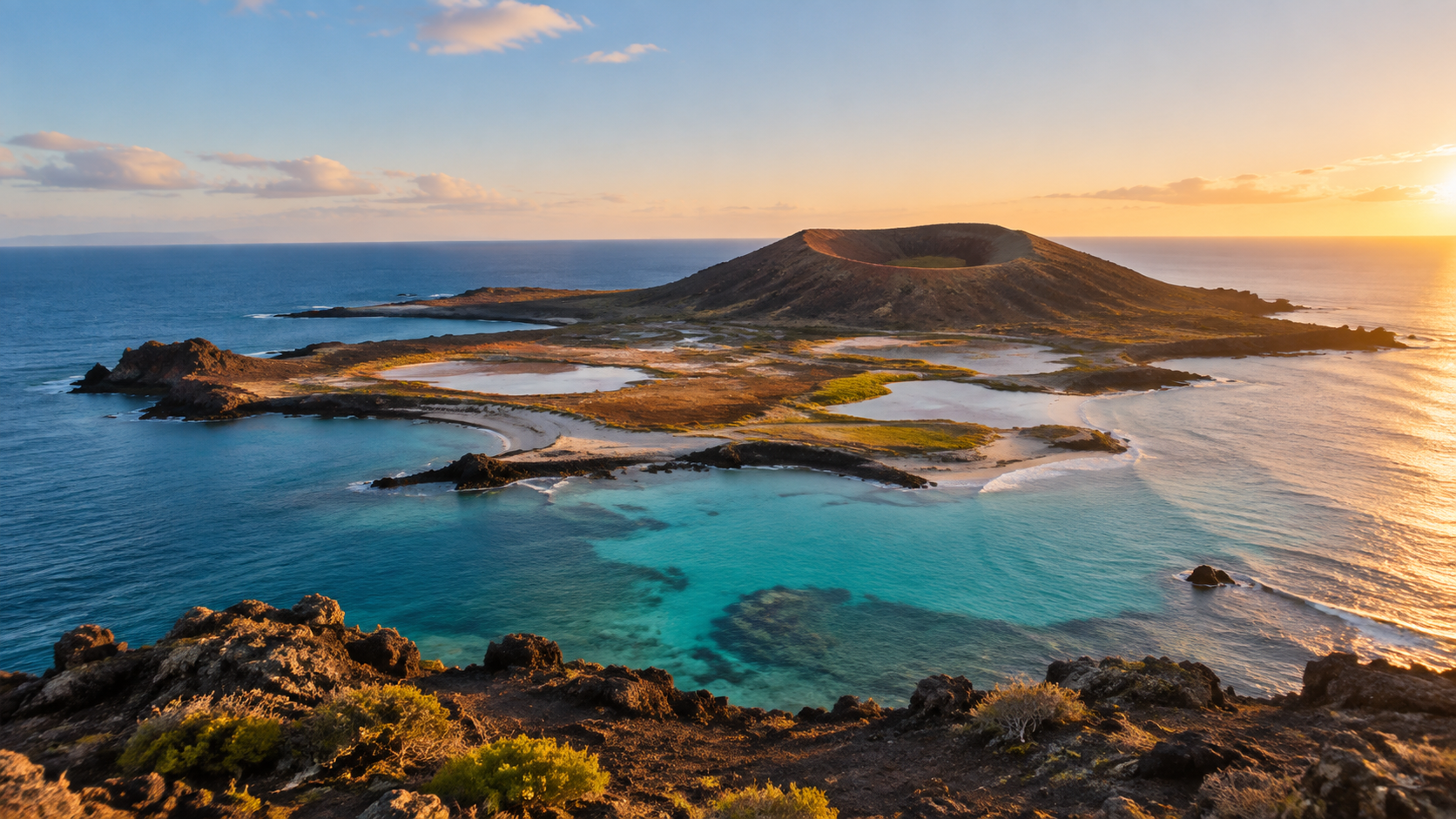
Lobos Island

Lobos Island

This small, uninhabited islet lies a short distance off the north coast and features a distinct volcanic crater and salt marshes. The surrounding waters are part of a protected marine reserve.

Take the coastal path to the lighthouse for quiet observations.

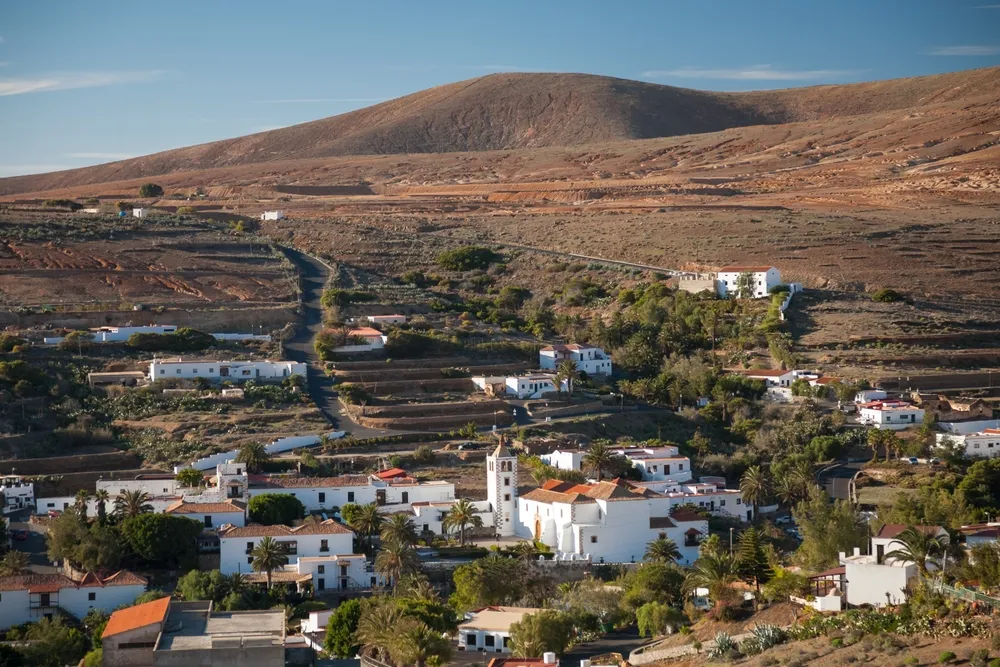
Betancuria Valley

Betancuria Valley

Situated in the central part of the island, this area contains the historic former capital and lush, terraced hillsides. It offers a visual contrast to the arid coastal regions.

Stop at the Mirador de Guise y Ayose for valley views.

Directions

Is Fuerteventura Worth Visiting Considering Travel Logistics?

Fuerteventura is situated in the Canary Islands and is primarily accessible via Fuerteventura Airport (FUE) or inter-island ferry services. Once on the island, a rental car is the most common method for navigating between coastal regions.

Plane Varies by origin —

Direct flights to Fuerteventura Airport (FUE)

Boat 30–120 min —

Fred. Olsen Express or Naviera Armas from Lanzarote or Gran Canaria

Bus Varies by route —

Tiadhe bus lines serving the airport and major towns

Car Varies by destination —

FV-1 and FV-2 main highways

For the best experience, plan your arrival between 09:00 and 11:00. This window helps you avoid peak midday sun and allows you to enjoy quieter beaches before the afternoon wind patterns develop.

Prices

Is Fuerteventura Worth Visiting Regarding Entry Fees?

Admission costs for Fuerteventura are straightforward as the island focuses on public natural landscapes. Access to the island's primary attractions, including beaches and natural parks, remains free of charge.

Public Beaches No entry fees required
0 EUR
Natural Landscapes No entry fees required
0 EUR
National Parks No entry fees required
0 EUR
Entry to all public beaches and natural landscapes across the island is free for all visitors at all times.

Verdict: An adult pays 0 EUR for access to natural sites, though costs vary if choosing private boat trips or specialized excursions.

Insider tips

Expert Tips for Those Deciding Is Fuerteventura Worth Visiting

Navigating Fuerteventura effectively requires understanding the local climate patterns and transport logistics to maximize your experience.

1

Wind management

The island experiences consistent trade winds, so prioritize sheltered coves like those found in the south if northern beaches feel too gusty. Check local wind reports each morning to choose the most comfortable side of the island for your day trips.

2

Car rental necessity

Public transport is limited, making a rental car essential for reaching remote coastal trailheads and secluded boat departure points. Book your vehicle well in advance, as supply fluctuates significantly during peak visitor seasons.

3

Strategic beach orientation

Fuerteventura's varied coastline means weather conditions differ by region; keep a digital map handy to pivot locations if cloud cover settles over the northern dunes. Locals often track the Calima, a dust phenomenon, to plan indoor activities when air quality shifts.

4

Navigation basics

Rural roads can be unlit and feature narrow sections, so allow extra travel time when planning evening drives back from coastal excursions. Always carry physical maps or offline GPS data, as cellular reception is inconsistent in deep volcanic valleys.

5

Footwear for terrain

Many of the island's best coastal vantage points require walking across jagged volcanic rock or soft, deep sand. Pack sturdy, closed-toe footwear rather than sandals to safely traverse uneven trails near the shoreline.

Book

Check availability

Frequently asked

Frequently Asked Questions: Is Fuerteventura Worth Visiting

Everything you need to know about is fuerteventura worth visiting

Is Fuerteventura worth visiting for a beach vacation?

Fuerteventura is widely considered a premier choice for those seeking extensive sandy coastlines and consistent sunshine. Many travelers find that the island offers a distinctively relaxed atmosphere compared to its neighbors.

What makes the island a unique Canary Island destination?

The island is characterized by its dramatic volcanic terrain and turquoise Atlantic waters. It serves as an ideal location for those who appreciate raw, natural scenery and quiet, wide-open spaces.

Is Fuerteventura worth visiting if I enjoy water sports?

With steady trade winds and clear coastal conditions, many visitors find that is Fuerteventura worth visiting for activities like windsurfing and kitesurfing. The island provides excellent infrastructure for enthusiasts of all skill levels.

When is the best time to arrive for a trip?

To experience the best of the coastal environment, plan your arrival between 09:00 and 11:00. This window helps you avoid the midday heat and ensures you reach the beaches before the afternoon breeze intensifies.

Are there entrance fees for the natural landscapes?

Access to public beaches and natural landscapes is 0 EUR. You can explore these protected areas without the burden of ticket costs.

Is Fuerteventura worth visiting for families with children?

Many families decide is Fuerteventura worth visiting because of the shallow, calm waters found in various lagoons and bays. The relaxed pace of the island makes it a manageable destination for travelers with young children.

What is a common mistake visitors make when traveling here?

A common error is failing to rent a vehicle to reach more remote dunes and hidden coves. Relying solely on public transport can limit your ability to explore the island's full landscape.

Is Fuerteventura worth visiting for nature photography?

The combination of golden sand dunes and rugged, dark lava fields provides a stark contrast that is perfect for photography. Because is Fuerteventura worth visiting for its unique geology, many artists and photographers frequent the island year-round.

Keep reading

More guides & pages